
Struggling with hair loss? Discover the most effective hair fall treatments, natural home remedies, and expert medical solutions to stop hair fall and promote healthy hair regrowth.
Hair Fall Treatment: Complete Guide to Stop Hair Loss and Regrow Hair
Hair fall is a natural part of the hair growth cycle, but when shedding becomes excessive, it can be distressing and even impact self-esteem. While it’s normal to lose 50 to 100 hairs per day, consistent or severe hair loss could signal an underlying problem. Fortunately, there are several effective hair fall treatments—ranging from natural remedies to medical solutions—that can help you regain strong, healthy hair.
In this comprehensive guide, we’ll explore the causes of hair fall, at-home treatments, advanced medical options, and lifestyle changes to help you manage and prevent hair loss effectively.
What Causes Hair Fall?
Hair fall can result from multiple factors, often working together. Understanding the root cause is key to choosing the right treatment.
1. Genetic Factors
Hereditary hair loss, known as androgenetic alopecia, is the most common type. It leads to gradual thinning and affects both men and women.
2. Hormonal Imbalance
Conditions like thyroid disorders, PCOS, pregnancy, and menopause can trigger hormonal fluctuations that disrupt the hair growth cycle.
3. Nutritional Deficiencies
Lack of essential nutrients such as iron, vitamin D, zinc, and biotin can weaken hair structure and lead to shedding.
4. Stress and Mental Health
Emotional stress, anxiety, or trauma can lead to telogen effluvium, where large amounts of hair enter the shedding phase.
5. Hair Styling Habits
Frequent use of heat tools, chemical treatments, tight hairstyles, and harsh shampoos can damage the hair and scalp, leading to breakage and loss.
Natural Remedies for Hair Fall Treatment
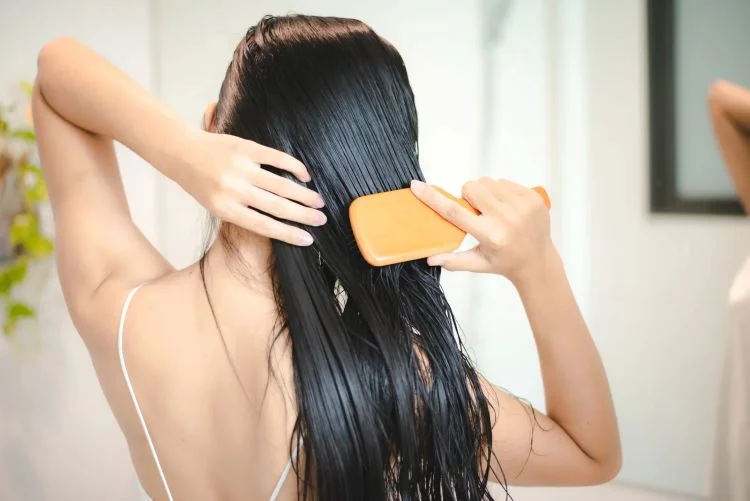
If your hair fall is mild or due to temporary factors like stress or diet, natural remedies can be very effective.
1. Coconut Oil Massage
Massaging warm coconut oil into the scalp improves blood flow, strengthens roots, and prevents protein loss in the hair shaft.
2. Onion Juice
Onion juice is high in sulfur, which boosts collagen production and stimulates hair regrowth. Apply to the scalp twice a week for noticeable results.
3. Aloe Vera
Known for its soothing and anti-inflammatory properties, aloe vera reduces dandruff, balances pH levels, and conditions the scalp.
4. Egg Hair Mask
Eggs are rich in protein and biotin, which nourish hair strands, reduce breakage, and improve overall texture and volume.
5. Green Tea Rinse
Packed with antioxidants, green tea helps unclog hair follicles and promotes healthy hair growth when used as a scalp rinse.
Medical Hair Fall Treatments
For more serious or persistent hair loss, you may need clinical treatment under medical supervision.
1. Minoxidil (Rogaine)
An FDA-approved topical solution that stimulates blood flow to the scalp and revitalizes dormant hair follicles. It is effective for both men and women.
2. Finasteride (Propecia)
A prescription medication primarily used for male pattern baldness. It reduces DHT, a hormone that causes hair follicle shrinkage.
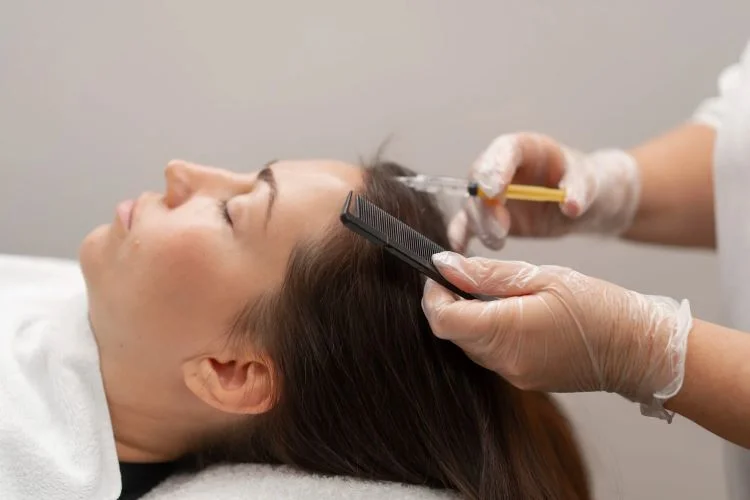
3. PRP Therapy (Platelet-Rich Plasma)
PRP therapy involves injecting your own plasma into the scalp to stimulate natural hair regrowth and improve hair density.
4. Low-Level Laser Therapy (LLLT)
Laser caps or combs use light energy to rejuvenate hair follicles and improve scalp circulation.
5. Hair Transplant Surgery
In cases of advanced hair loss, a hair transplant may be recommended, where hair follicles are moved from dense areas to bald patches.
Diet and Lifestyle Tips for Stronger Hair
Nutrition and lifestyle play a crucial role in preventing and managing hair fall.
- Eat a balanced diet rich in leafy greens, lean proteins, seeds, nuts, and whole grains.
- Stay hydrated—aim for 2 to 3 liters of water daily.
- Exercise regularly to reduce stress and improve circulation.
- Sleep at least 7–8 hours a night for proper hormonal balance and hair cell regeneration.
- Avoid smoking and limit alcohol, both of which negatively affect hair health.
When to See a Dermatologist
You should consult a specialist if you experience:
- Sudden or patchy hair loss
- Persistent hair fall lasting more than 3 months
- Itching, redness, or inflammation of the scalp
- Noticeable thinning in the crown or hairline
A dermatologist may conduct scalp analysis, blood tests, or a biopsy to determine the cause and create a personalized treatment plan.
Take Control of Your Hair Fall Today
Hair fall can be caused by genetics, stress, health conditions, or poor care habits. The key to successful treatment lies in identifying the root cause and applying the right combination of natural remedies, medical treatments, and lifestyle adjustments.
With consistency, patience, and professional guidance when needed, you can regain fuller, stronger, and healthier hair.